
Modern pain science shows us that pain is often created in the brain and spinal cord as a response to perceived threat — not just physical injury. This is especially true in chronic or recurring pain patterns.
Pain Is a Neurological Output — Not Always Tissue Damage
Modern pain science demonstrates that pain frequently originates in the brain and spinal cord as a response to perceived threat — not necessarily physical injury. This is notably true in chronic or recurring pain patterns. A key neurochemical in this system is a neuropeptide called Substance P.
What Is Substance P?
Substance P is a neurochemical released by nerve endings in response to mechanical stress, injury, or inflammation. It:
- Amplifies pain signals between the peripheral nerves and the central nervous system
- Promotes neurogenic inflammation
- Sensitizes local tissues, creating ongoing tenderness, tightness, or spasm
Substance P levels are elevated in people with chronic pain, especially when fascia is restricted or joint movement is altered.
How RAPID NFR Interrupts the Pain Loop
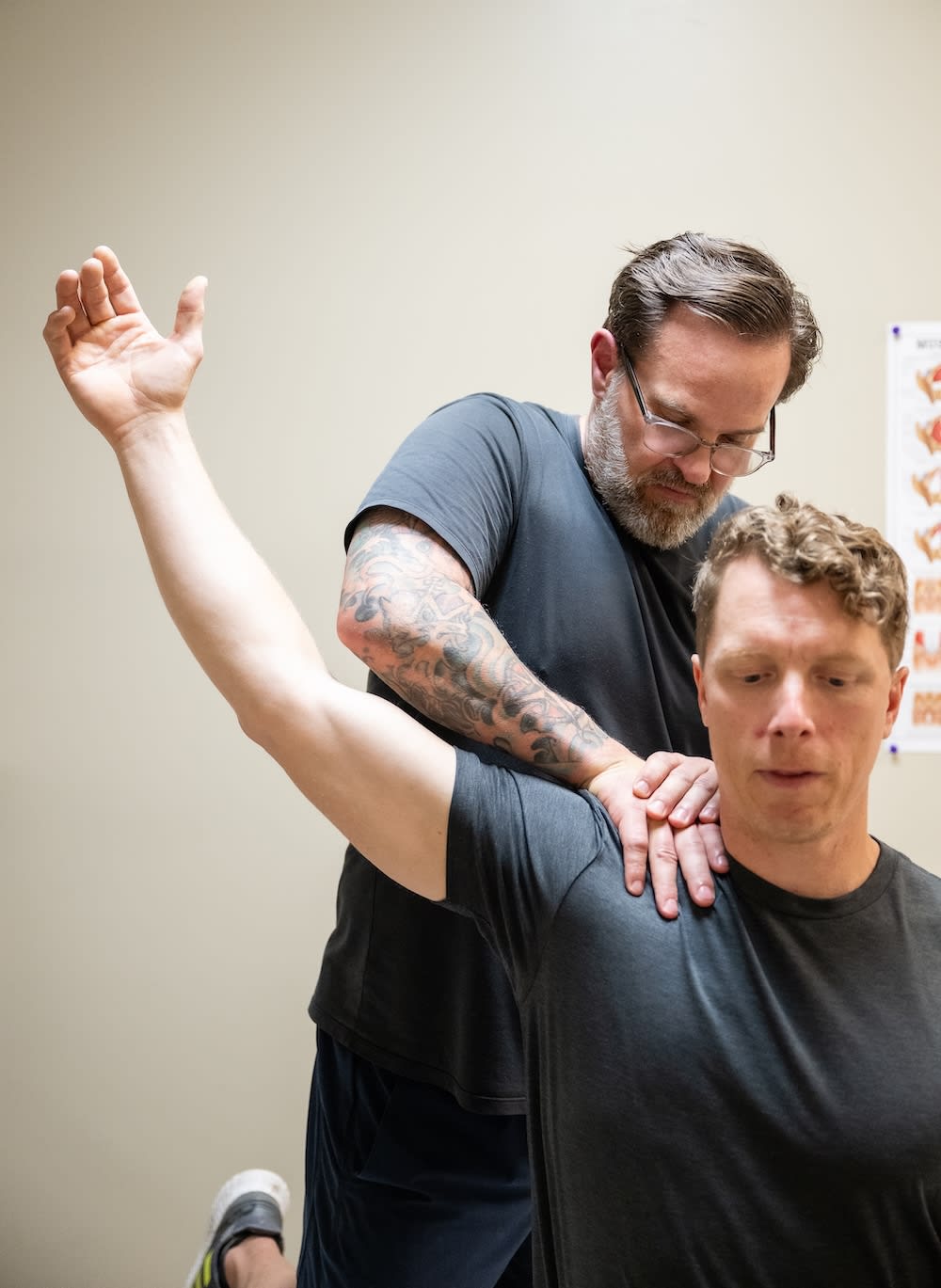
RAPID NeuroFascial Reset uses precise manual tension and active movement to:
- Mechanically stimulate fascial mechanoreceptors
- Down-regulate Substance P production at the level of the dorsal horn (spinal cord)
- Desensitize the nociceptive (pain) pathways
- Reset muscular tone via improved neuromotor coordination
This technique effectively reduces hypersensitivity, restores range of motion, and improves proprioceptive feedback — all in a short, focused session.
Clinical Impact
Clients often report:
- Immediate relief from chronic or stubborn pain
- Increased range of motion
- A sense of lightness, clarity, and freedom
- Reduced reliance on passive treatments or pain medications
Nervous System Reset = Long-Term Relief
RAPID isn't just a technique — it's a neurological reprogramming tool. By calming the nervous system and reducing chemical mediators of pain like Substance P, we're not just treating symptoms — we're retraining the body to stop producing pain in the first place.
Book your 30-minute RAPID NFR session today and feel the difference for yourself.